
Plantar-fasciitis (Heel Pain) Help my really sore heels!
Monday, March 1st, 2010Plantar-fasciitis is a seriously annoying, long lasting painful condition of the big ligament that passes along the sole of your foot - It will persist unless the daily cycle of night time healing and repeated damage through daily walking is interrupted.
Classically this is caused by tightness/rigidity of the Achilles/plantar-fascia complex and is massively exacerbated by rolling or flat foot posture. This condition rarely occurs in athletic individuals with loose, supple or well toned legs.
The plantar-fascia connects the bottom of your heel bone to the front of your foot, your Achilles tendon attaches directly into the opposite surface of your heel bone and directly affects the state of the plantar-fascia- hence why I’ll keep going on about Achilles and calf tightness.
Untreated this condition will rarely resolve itself within 9 months - Sometimes lasting for years.
I have tried to list the main options for you to consider. Basically you need to do as many of these things as often and as regularly as possible - bear in mind that if you do nothing it’s not likely to go away by itself.
Orthotic Insoles
Wear insoles - always - as it aids the control of the movement of your feet through the day, protecting your feet from excessive shearing and stretching movement on the plantar-fascia. An incorporated slight heel raise also benefits by further reducing the tension of your calves.
Stretching
Stretch your legs, especially your calves and hamstrings every morning before walking and regularly through the day (to try to get some extra length in your calves and Achilles) - While we sleep our muscles and ligaments shorten and the foot is pulled into a relaxed posture with the toes pointing down - this period of rest allows the body to try to heal the affected area and it does this by laying down scar tissue that, is put under too much tension when we force our feet into a 90 degree position as we haul ourselves out of bed in the morning thus causing the newly formed scar tissue to tear/rip away causing extreme pain. This pain lasts for only the first few steps and soon subsides as we continue to walk. Passive stretching prepares our muscles and the fascia for the onslaught ahead. Contact your P.T. for advice about dynamic stretching to maximise the effect of your stretches.
See http://www.grangephysio.com/exercises for walk through stretching guides.
Massage
Book yourself in for a sports massage twice a week initially to help reduce the stiffness and rigidity in your legs and feet. Tightness in muscles and the resulting reductions in ranges of movement in your joints transfers huge tension to the plantar-fascia compounding the problem. A good massage will hurt and find muscles you thought you never had. We look after our cars better than we look after our bodies - keep up a regular monthly massage to keep supple.
Don’t forget to drink lots of water after your massage.
Therapeutic Ultrasound
High frequency vibrations focused on the affected area helps by gently breaking down the scar tissue that untreated can delay healing.
Contact you Physiotherapist for advice on this treatment.
Shoes
Avoid very flat low heeled shoes and flip-flops as the low heel forces the achilles and plantar-fascia to be under increased tension. Avoid walking barefoot - always wear slippers around the house with a good heel. Wear day shoes with a slightly more than average heel height to reduce the tension in your achilles. Try fit - flops (girls) or MBT shoes for improved cushioning at heel and smooth roll over the toes.
Look for soles with cushioned heels as hard soles create jarring and heel pain. Try Fit-flops as an alternative to flip-flops.
Night time stretches
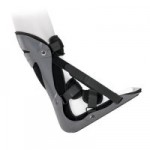
There are a variety of devices that you can wear to keep your feet in a stretched position through the night. They unfortunately look like snowboarding boots with the front missing, but they work very effectively to hold your foot in a stretched toes up position, keeping the plantar-fascia in tension, allowing it to heal in a way that is less inclined to tear when you stand on your feet.
Contact me directly if you think that this may benefit you.
Exercise
Don’t bother exercising unless you have warmed up and stretched really well before hand. Swimming is Ok as you swim with your toes pointing down, but take care stepping out of the pool - take time to sit on the side and do a few passive stretches before walking.
Remember to stretch after exercise.
Other options:
Cortizone injection to reduce the acute inflammation (really painful injection but normally takes pain away for 3-4 months)
Rest
If you can afford to lie on your back and let the kids do all your work then your feet will heal beautifully in about 8 weeks and you will forget how horrendously painful this awful condition is!
